You Will Be Surprised At This Black Israelite’s Heart
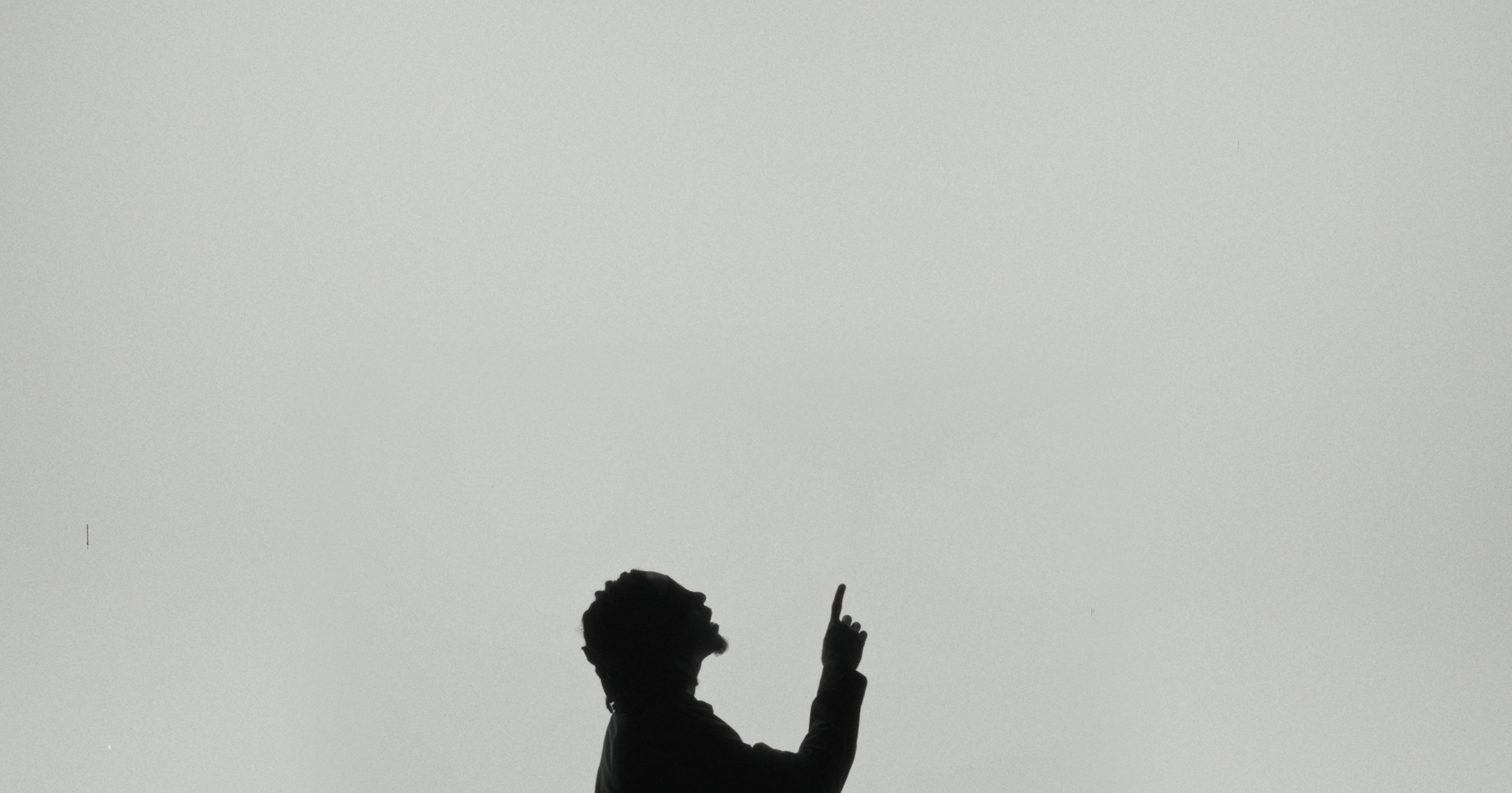
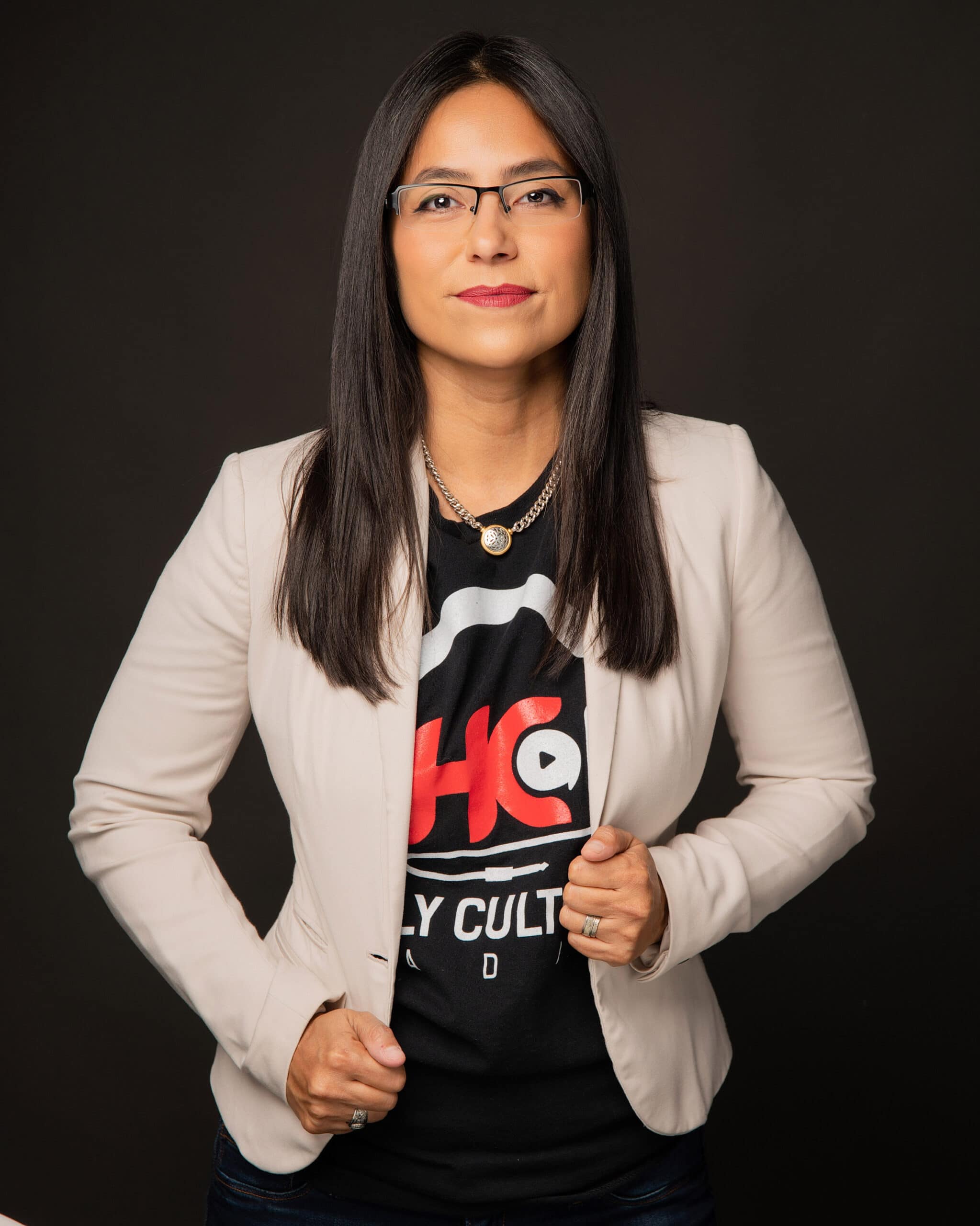
On this episode of The Man Up Club Presents on Holy Culture Radio (SiriusXM Channel 140), host Mr. Dean interviews Quedesh, a man whose story reflects deep resilience and transformation. His childhood in Chicago was marked by instability and emotional turmoil. Both of his parents struggled with drug addiction, creating an unpredictable and often painful environment. Even though his father was present, addiction overshadowed stability. As a young child, Quedesh witnessed arguments, violence, and emotional conflict—experiences that shaped his worldview long before he understood them.
Homelessness and Hard Lessons Learned Early
At one point, Quedesh and his father became homeless, moving through shelters and temporary living situations. Those years forced him into survival mode. He learned to adapt, suppress emotions, and navigate adulthood as a child. The instability hardened him, planting both the seeds of pain and the seeds of perseverance that he would draw on later in life.
The War on Drugs and the Shift in Perspective
Reflecting on his upbringing, Quedesh offers a powerful critique of the “War on Drugs” era. As a child, he internalized the societal narrative that people battling addiction were criminals. As an adult, he now understands addiction as an illness—one that his father never received proper treatment for. This realization reshaped his empathy and inspired his work in peer recovery. It also fueled a personal conviction: had his father been treated with compassion instead of judgment, his life might have unfolded differently.
Misdirected Leadership: How the Streets Filled the Gaps
Growing up without emotional stability, Quedesh found himself drawn to the streets as a teenager. He admits he didn’t always make the best decisions, but even in the wrong environments, people gravitated to him. He was a natural leader—just leading in the wrong direction. That misdirected leadership could have destroyed him, but instead, it became the very trait that mentors later recognized as a foundation for his potential.
The Power of Mentorship: Enter Mark Robinson
Everything began to change when a mentor named Mark Robinson stepped into his life. Mark didn’t chastise him or define him by his mistakes. He saw beyond the surface and recognized the young man’s capacity for influence. Mark guided him, challenged him, and redirected his leadership skills toward something constructive. That relationship became a turning point, proving that one caring adult can shift the entire trajectory of a young man’s life.
Spiritual Grounding and a New Moral Compass
Alongside Mark’s mentorship, another brotherhood came into Quedesh’s life, providing spiritual grounding and moral guidance. For the first time, he had a community that held him accountable while helping him grow. This spiritual awakening became a crucial part of his transformation, teaching him to see himself beyond the trauma he had inherited.
The Hard Work of Transformation
When asked if the transition was difficult, Quedesh is honest: the work was hard. Changing your life requires confronting old patterns, letting go of destructive comforts, and walking away from people who prefer the “old you.” He emphasizes that many young men want the benefits of transformation without the sacrifice—but true growth demands intentional work and uncomfortable introspection.
Brick by Brick: Rebuilding a Life and Helping Others Do the Same
Today, Quedesh channels his lived experience into Brick by Brick, an organization he founded to help young men rebuild their lives piece by piece. He provides guidance, support, and mentorship rooted in empathy rather than theory. Everything he teaches comes from what he has lived, survived, and overcome. Brick by Brick reflects his belief that transformation happens gradually—one decision, one habit, one healed wound at a time.
A Message for Young Men: Pain Can Become Purpose
Quedesh’s journey is a testament to what’s possible when a man chooses healing over hurt and purpose over pain. His story reminds young men that no matter where they start, their past does not have to dictate their future. With mentorship, spiritual grounding, and the willingness to do the work, any life can be rebuilt—brick by brick.
TIMESTAMPS
00:00 – Introduction to The Man Up Club Presents
01:20 – Meet our guest: Quedesh shares who he is
03:02 – Early life in Chicago and childhood struggles
04:25 – Growing up with parents battling addiction
08:03 – How trauma shaped his behavior and mindset
08:32 – School challenges and emotional impact
09:55 – Navigating life with a young father
11:43 – Experiencing homelessness with his dad
13:07 – Witnessing violence and conflict at home
14:17 – How childhood trauma impacts emotions
15:09 – Carrying adult responsibilities too young
17:06 – Processing pain and survival mode
18:01 – Reflecting on the “War on Drugs”
19:20 – The shift from punishment to understanding addiction
20:16 – The difference in treatment between Black and white communities
21:55 – How misdiagnosis affected his father’s life
22:36 – Breaking cycles and choosing a different path
27:14 – Turning the corner: entering peer recovery work
31:36 – The impact of mentor Mark Robinson
35:28 – Developing leadership the right way
36:00 – The role of spiritual grounding in transformation
38:29 – Understanding the spiritual side of healing
42:23 – Why transformation is difficult
42:34 – Letting go of old habits and old identities
43:54 – Dealing with pride and wanting credit
44:29 – The importance of knowledge and accountability
46:36 – Reflecting on age and maturity
47:37 – Introducing Brick by Brick
50:03 – Final thoughts and encouragement from Quedesh
Related Radio Show: The Man Up Club Presents…